
Wild Symbols and the Real Odds Behind the Screen
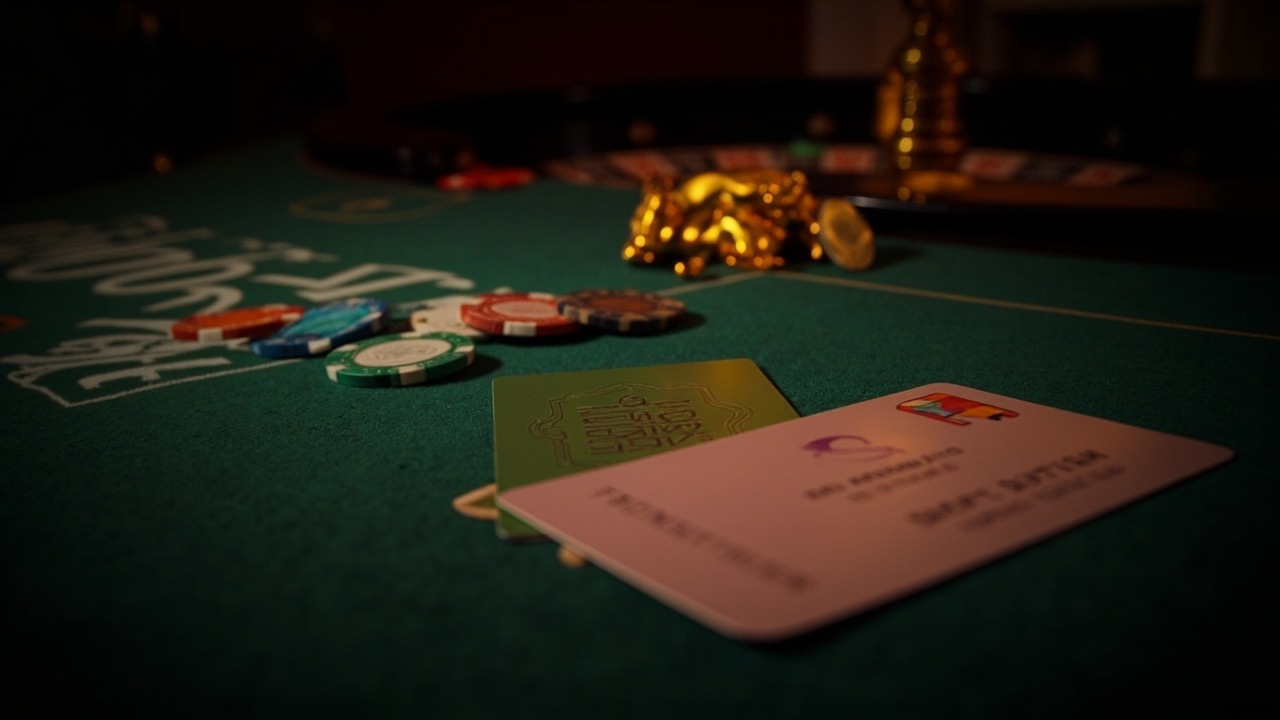
I’ve walked through six pre-openings across Asia-Pacific and run operations in eight properties, and the one thing that never changes is how players misread what a wild symbol actually does to their odds. On the floor, I’ve watched punters chase a stacked reel as if it guarantees a payout, when in practice the maths still sits with the game’s return-to-player and the paytable logic. Down here, the conversation’s a bit different anyway. Queensland, South Australia and the ACT also adopted pub-and-club pokies, so a lot of regulars already understand that a fancy symbol on a screen doesn’t rewrite the house edge. Still, when you’re picking between titles, knowing how wilds interact with volatility and weighting can save you a few bad spins and a fair chunk of frustration.
How Wild Symbols Actually Move the Numbers
A wild is just a substitute that fills missing positions on a payline or cluster, but it’s not a free pass. The game still decides how often that substitution lands, and that frequency is built into the reel strips or virtual weighting. I’ve seen operators tune a title so the wild appears often enough to keep sessions lively, yet rarely in the exact pattern needed for the top prize. That’s the quiet trade-off: more visible wins on low lines, fewer chances at the stacked pays that actually move a balance. If you’re comparing casino odds wild symbols across a few releases, look at whether the wild pays its own line or only substitutes, because that single detail changes the expected value more than any flashing animation ever will.Perthnow
A mate of mine once sat beside me on a Canberra night shift, watching a five-reel title where the wild landed on every reel those for two spins straight. He reckoned the machine had gone soft. It hadn’t. The paytable paid modest line wins for the substituted symbols, and the bigger combinations still needed the natural high-value icons to line up on their own. That’s the sort of everyday moment that clears up the myth: wilds smooth out the session, they don’t rewrite the odds. When you’re scanning a game, check the paytable for wild-only payouts and note whether the feature buy or free spins multiply only the base symbols or the wilds too. Those details tell you more than the theme ever will.
He insisted that the algorithms were rigged to pay out at the end of the night, a theory I couldn’t quite shake. I later read a detailed breakdown of these gaming myths on The Australian’s website, which debunked the whole idea of soft machines. Still, whenever I see those reels align, I can’t help but wonder if luck is actually predictable.
What Operators Tune and What You Can Actually Read
Behind the glass, the maths is set before a single chip hits the tray. I’ve sat in pre-opening meetings where the conversation was all about hit frequency, not jackpots, because a title that pays small wins too rarely will empty a lounge faster than a tight max-win ceiling. The wild’s role in that tuning is straightforward: it can raise the apparent activity on screen without lifting the long-run return. If a game shows wilds on nearly every spin but the paytable keeps the top award locked behind a specific symbol combination, you’re looking at a session entertainer, not a value play. That’s not a flaw, it’s just positioning, and it matters when you’re deciding where to put your time.games in buffalo slots
When you’re comparing casino odds wild symbols between a couple of releases, I’d pay attention to the feature triggers and the multiplier behaviour rather than the artwork. Some titles let the wild expand across a whole reel during free spins, others keep it as a single substitute with no extra weight. The difference shows up in how often a feature repeats and how much the base game contributes to the overall return. I’ve also watched players assume a higher denomination automatically shifts the odds in their favour, when really it just scales the same percentages up or down. The game still runs on the same virtual setup, so the only thing that changes is the size of each swing, not the direction of the edge.
Picking a Session That Fits Your Style
If you want a steadier run, look for wilds that appear regularly in the base game and trigger smaller, more frequent line wins rather than waiting for a rare feature. If you’re comfortable with swings, a title that keeps wild appearances tighter but pays more during the bonus can suit a longer, more patient session. I’ve run both styles across properties and the right pick always depends on how you handle variance, not on which artwork looks sharper on the marquee. A quiet arvo in a lounge is the wrong time to test a high-variance wild-heavy title if you’re chasing a quick top-up; the dry spells will test your patience before the feature ever shows up.
For anyone browsing games in buffalo slots, the practical move is to read the paytable first, note whether the wild pays on its own, and check how the bonus treats substituted symbols. That’s usually enough to tell you whether you’re looking at a session entertainer or a title built around bigger, less frequent swings. No game here is a shortcut, and I’ve never seen a property where a wild symbol quietly moved the house edge in the player’s favour. What you can do is match the wild behaviour to the kind of session you actually want, then sit down with your limits already set.
The takeaway is simple enough: wild symbols change the look and feel of a spin far more than they change the underlying odds, so treat them as a feature to read, not a promise to chase. I’ve watched enough sessions across enough markets to know that the players who do best are the ones who understand what the symbol is doing, set their limits, and pick a title that matches the pace they’re after. If you keep the maths in view and the session short when the swings turn against you, you’ll get more out of the game than the screen ever promises.